AB InBev: Categories outside of beer present ‘big’ growth opportunity
AB InBev owns brands like Stella Artois and Budweiser making it one of the biggest brewers in the world, but the company is increasingly looking to categories outside beer to “stretch” growth.

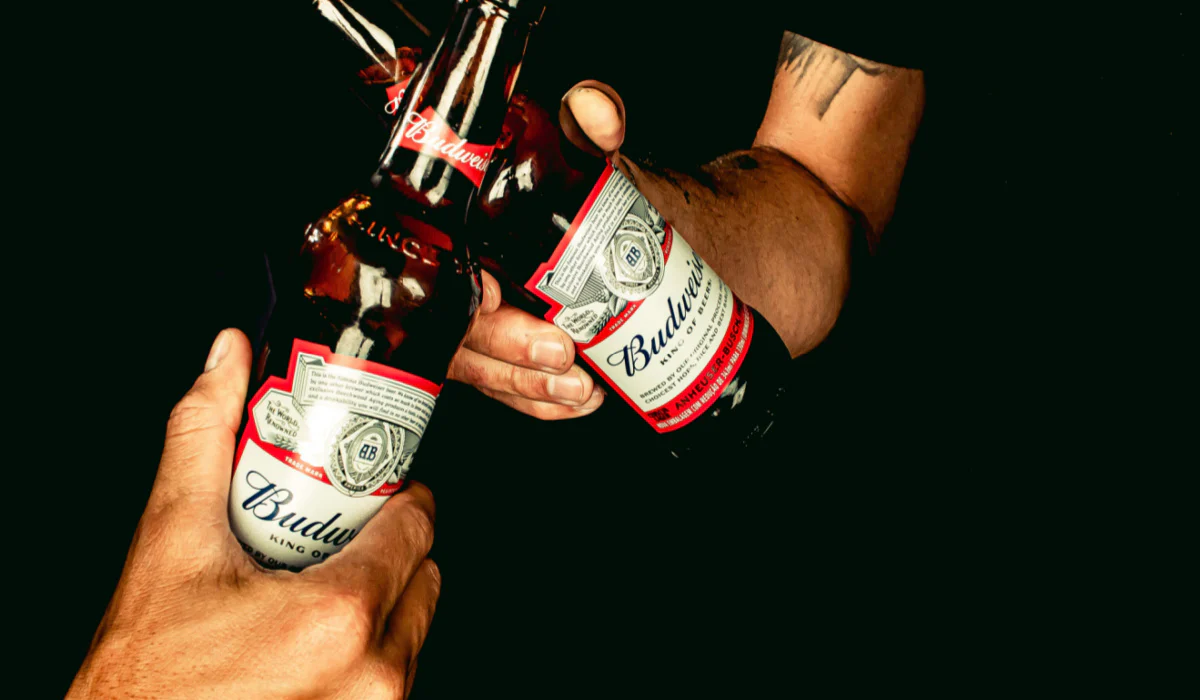
Brewing giant AB InBev has highlighted the importance of expanding its reach beyond beer as it looks to “further stretch growth” by reaching new consumers and leaning further into high-growth categories.
The Corona, Stella Artois and Budweiser owner has been increasingly expanding its portfolio outside of its traditional beer category. Its been expanding what it terms its “Beyond Beer” portfolio, which consist of ready-to-drink (RTD) and canned cocktails and brands including Mike’s Hard Lemonade and Cutwater Cocktails.
The latter has become the leading spirits-based RTD cocktail brand in the US since its launch in 2019, according to IWSR. In its most recent quarter, AB InBev reported Cutwater Cocktails grew by triple digits in the US . Overall, AB InBev’s portfolio outside of beer grew revenues by 27% year-over-year in the third quarter, it reported.
Speaking after the it announced third-quarter results today (30 October) AB InBev’s CEO Michel Doukeris said the company is looking to brands outside of beer for significant incremental growth opportunity.
It’s small for us today, 2% of the portfolio, but it’s big in our opportunity to grow with more consumers.
Michel Doukeris, AB InBev
Beer is a huge category, but one that is expected to deliver growth of around 1% in normal conditions; however, expansion into other markets will expand the potential of AB InBev to grow, Doukeris.
“The more we increase the addressable market, which is “Beyond Beer” propositions, there are opportunities for us to further stretch this growth,” he said.
For the moment, “Beyond Beer” products only make up a small proportion of AB InBev’s portfolio, but the business sees a lot of runway there.
“It’s small for us today, 2% of the portfolio, but it’s big in our opportunity to grow with more consumers,” Doukeris noted.
Alongside its non-beer brands, no-alcohol beer also saw strong growth in the quarter, growing revenues by 27%. Corona Cero was one of the stand out non-alcoholic beer brands, driving mid-twenties volume growth in the quarter in Europe. In the US, it saw particular success with Michelob Ultra Zero in the quarter, it said.
Both non-alcoholic beer and the portfolio outside of beer drove considerably stronger growth versus AB InBev’s wider business. Across the group, revenue grew by just 0.9% year-over-year in the quarter, while volumes declined by 3.7%.
The company terms its biggest growth drivers “megabrands”, which includes the likes of Stella Artois and Corona, did see stronger growth in the period, driving 3% revenue growth. This was led by Corona, which grew 6.3% outside of its home market.
Tying brands to big cultural moments
AB InBev owns many of the world’s biggest beer brands. Key to their growth is tying these brands to crucial consumer moments, notes CEO Doukeris.
“Integrating our brands with big partnerships, big events and relevant cultural moments is key for our brands to win in the long term,” he said.
Last month, the company announced it had formed a global partnership with Netflix that will see the two businesses collaborate on co-marketing campaigns.
The streaming service is “creating content that shapes culture”, Doukeris said, while its brands are “part of the fabric of society”, making the two companies “the perfect pairing”.
AB InBev and Netflix form brand partnership to create ‘deeper experiences’
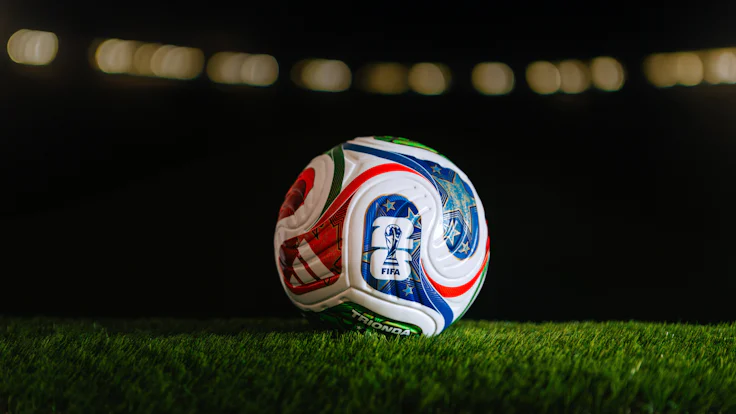
He also highlighted the impact of next year’s FIFA World Cup 2026, which it is the beer sponsor of. The competition will be hosted in North America, and gives the company’s brands “an opportunity to bring beer and sports together”.
The company emphasised the importance of what if defines as “premium” brands (which include Stella Artois and Budweiser) in its strategy. In Europe, premium and super premium brands made up approximately 60% of the company’s revenue in its most recent earnings.
You need to balance, as we always do, the affordability with the ability to build brands.
Michel Doukeris, AB InBev
While the business expects the pressure from inflation on pricing to decrease in coming months, Doukeris said he is of the view that pricing power, coming from premium brands, is still essential for the business.
“I’m of the view that we should be very disciplined as category leaders to continue to build, over time, the capabilities to move prices with inflation so we can continue to recover our margins,” he said.
However, “affordability” is something that is very important for the beer category, Doukeris noted, but that should be driven with maintaining an ability to drive margins and therefore invest in brands.
“You need to balance, as we always do, the affordability with the ability to build brands,” he said.