‘Success is not having to exist anymore’: Inside the evolution of Sport England’s ‘This Girl Can’ initiative
A decade after This Girl Can first launched, marketing director Kate Dale reflects on how the campaign has evolved to be more representative, the role of TV in attracting “hard-to-reach” audiences and the importance of inclusivity behind the camera.
In 2015, brands were starting to champion diversity, put greater emphasis on purpose and we were yet to learn of generative AI.
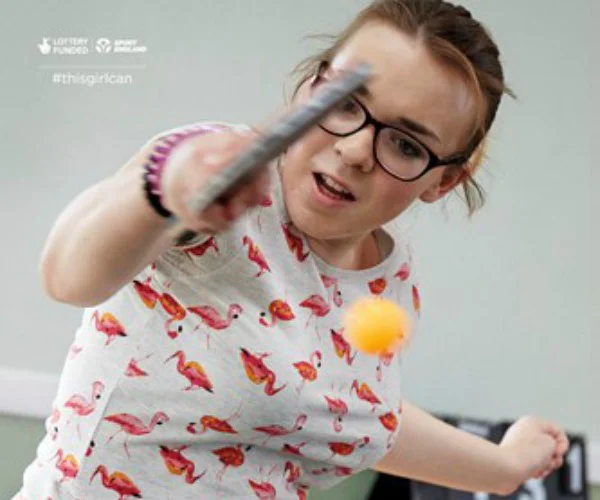
It’s also the year Sport England launched ‘This Girl Can’ – a campaign aimed at encouraging UK women to exercise more. It tackled the gender gap in physical activity, with research identifying a lack of confidence as a barrier. Launched across digital and primetime TV, it became a cultural talking point and spread widely on social media.
Within a year, 2.8 million women aged between 14 and 40 who recognised the campaign said they had done some or more activity as a result, while 1.6 million said they had started exercising.
A decade on, This Girl Can remains one of the UK’s most recognisable behaviour-change campaigns, recently outlined as a standout in ITV’s top 70 ads of the past 70 years report. Despite this, a lot has changed over the past 10 years, and therefore so has the approach to the campaign.
It’s a move from fuck you to fuck yeah.
Kate Dale, Sport England
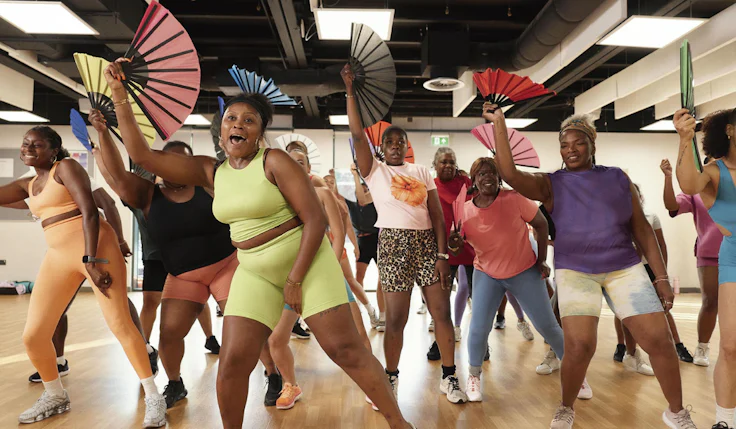
Last month, Sport England launched the latest iteration, ‘We Like the Way You Move’. It’s the first This Girl Can TV advert in five years, featuring 13 street-cast women from across England, aimed at women from underrepresented groups.
The film celebrates everyday movement: a family bike ride, dancing in the kitchen, pregnancy yoga, wheelchair rugby, boxing and walking football.
Sport England’s director of marketing, Kate Dale, who has worked on the initiative since its launch in 2015, says the evolution of the campaign mirrors wider social change.
“It’s a move from ‘fuck you’ to ‘fuck yeah’,” she says. “We are still understanding the role that activity can play, but leaning less into female empowerment and more into female celebration.”
The latest campaign used AI-powered analysis of over 4,000 publicly available photos from sports clubs, community centres, parks, gyms, swimming pools and other leisure facilities across England.
Despite women making up half the population, only 40% of people pictured were women. Of the 8,559 women identified, just 117 were Black or South Asian – less than 1.5%, despite these groups representing 11% of the population, according to the 2021 Census.
TV advertising at 70: Behind the top ads in history
Women with visible disabilities were almost entirely absent. Only 14 were identified nationwide, despite more than 5 million women in England being recognised as disabled under the Equality Act. Some regions, including London, failed to show a single visibly disabled woman.
Meanwhile, pregnancy was practically erased. Only five visibly pregnant women appeared in all the images reviewed – 0.06% of what was shown. Yet about 2% of women in England gave birth in 2024, meaning their real-world presence is up to 30 times higher than reflected.
Older women also remained invisible. Just 7% of women pictured were over 55, and when they did appear, it was almost exclusively in lawn bowls.
The We Like the Way You Move campaign was aimed at reaching those “harder to reach” audiences who are often less represented in advertising and more likely to be inactive.
“We also wanted to make sure that we weren’t just doing more of the same, that we properly understood the needs of the women we were trying to reach,” Dale says.
“Last year, 50% of women recognised the [This Girl Can] brand, which is incredible given how long it is since we’ve done above the line with paid media. But you can’t celebrate 50% recognising it without worrying that 50% didn’t.”
These findings echo Channel 4’s recent Mirror on the Industry report, which analysed 6,000 UK TV ads and surveyed 12,000 consumers over six years. It found that representation has stagnated, or in some cases worsened.
Pregnant women feature in just 0.1% of UK ads. Disabled people appear in only 4% of ads, despite accounting for almost one in five of the UK population. LGBTQIA+ people make up just 2% of appearances, down from 3% five years ago, and below their 3.2% share of the population.
Channel 4 report finds stagnation in DEI representation across UK TV ads
Sport England’s job, unlike that of FMCG or fashion brands, is not to sell a product but to change behaviour. For Dale, true success would be for their job to be done because women from all backgrounds are able to get active and have their needs met.
“Ultimately, success for This Girl Can is not having to exist anymore,” she says. “The objective we’re measured on is seeing more women from underrepresented groups getting active and feeling that they belong in a world of physical activity in ways that work for them.”
That means not only showing women “getting active while disabled” or “getting active while pregnant,” she explains, but embedding those identities in portrayals of everyday sport and movement.
“These are all life experiences and stages that we may go through. So better inclusivity and representation would be objectives as well,” she adds.
Behind the camera
Representation on-screen is only part of the story. Dale says ensuring diversity in the team, shaping the strategy, signing off on creative and planning media was a priority this time.
“We’re still a long way away from challenging all our own perceptions. That’s been a really important part of this campaign as well – making sure we’ve got better at this. There will always be more we can do to make sure people making the campaign, developing a strategy, are truly diverse as well as the people in front of the camera,” she adds.
The campaign was produced with creative agency 23red, alongside an advisory group drawn from underrepresented communities to ensure the content was culturally appropriate.
Meanwhile, all participants were street-cast, yet finding authentic participants took longer than previously because “we’re targeting women who are less likely to be active, there are fewer women to choose from,” Dale explains.
Lego, Skoda and Sport England TV ads among best of the past 70 years, study finds
The campaign’s cultural impact has been recognised far beyond sport. Earlier this month, ITV included This Girl Can in its list of the 70 most iconic UK adverts of the past seven decades, alongside work from Guinness, Compare the Market and Lego.
Despite its status, This Girl Can has not had a TV advert since 2020, partly down to funding. Backed by National Lottery money, each burst of paid activity requires a fresh case for investment, with funds also needing to be allocated to areas such as leisure centres.
“We have to make the case every time,” says Dale. “Being able to demonstrate the value in terms of actually bringing about long-term change, and changing attitudes and cultures, with the people who don’t think physical activity is for them.”
This is the fourth time This Girl Can has returned to TV screens, with previous campaigns airing in 2015, 2017, 2018 and 2020.
Returning to TV, she argues, was essential. “If you have the budget to do it, it’s the most cost-effective medium. This Girl Can has always been about creating conversations, and so you need that investment.”
“Why do we need paid media? The answer is simple: if we don’t get the right message with the right creative to the right women, then it won’t work. We can’t just do that using the channels organically that we already have. We need to use paid media to do that,” Dale says.
Marketers on why having all the answers is not the sign of a good leader
However, she acknowledges that paid media in 2025 is a “hell of a lot more complicated” than it was in 2015, with fragmented audiences and new platforms. “But television is still a hugely important part of it, because it’s the community, it’s the family, it’s the group, it’s the friends, it’s watching it together and having the conversations that spark from it.”
Meanwhile, Dale hopes This Girl Can can continue shifting dialogue in the advertising industry. She believes marketers must keep pushing for more inclusive representation – not only in ads but in how they are produced.
“I love the conversations This Girl Can creates within advertising and marketing,” she says. “It shows us that we can always do better, and we should always be learning how to be truly inclusive, diverse and representative.”