Starbucks claims ‘broad’ appeal driving ‘customer connection’
Focusing on loyalty members at the expense of infrequent customers is “never healthy” in a business, says Starbucks CEO Brian Niccol.

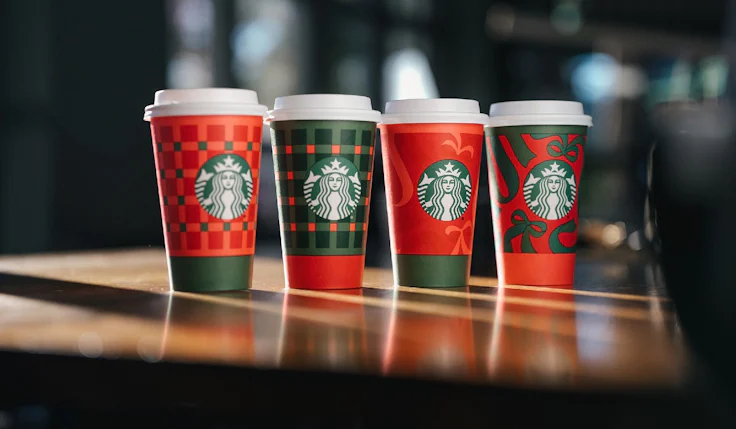 Starbucks is successfully “getting the brand in front of all of [its] customers” thanks to its marketing, says CEO Brian Niccol.
Since he took over as CEO in September 2024, Niccol has been leading a turnaround plan – called ‘Back to Starbucks’ – focused on the things that differentiate the brand from its competitors.
Ensuring Starbucks has a “broad appeal” to both frequent and infrequent customers is a priority and sits within the remit of global chief brand officer Tressie Lieberman, Niccol told investors today (28 January).
Coming into the business, he noted transactions from customers who were not members of Starbucks’ loyalty scheme, Starbucks Rewards, were declining.
“That’s never healthy in a business,” he said. “You have to win both with your rewards customers and call it the light or infrequent customer.”
Starbucks CEO: Being the ‘best form of yourself’ is how brands win
That plan to broaden appeal has successfully got “the brand back in front of all” its customers, the Starbucks CEO explained. Brand metrics have noticeably improved, he said, but where he really judges success is through customer behaviour.
“Every age cohort has increased their visitation with Starbucks over the last couple months and so that just demonstrates to me that we’re doing a great job of making the brand relevant, making the brand a leader, and making the brand one that innovates on the right things at the right time,” Niccol said.
The CEO praised Lieberman and her team for their efforts in driving digital initiatives, personalisation efforts and menu innovation, which was is in turn driving people to Starbucks.
During the first quarter of its 2026 fiscal year ending 28 December 2025, Starbucks’ global comparable store sales increased 4% year-on-year. The chain drove 3% more comparable transactions and a 1% increase in average tickets, suggesting it was both bringing more people into store and persuading them to spend slightly more. Net revenue was $7.28bn (£6.32bn).
Marketing over discounting
Customer experience in store has been a pivotal part of Niccol’s turnaround plan, with the CEO keen to make the coffee shops somewhere people want to “dwell”, as well as improving speed of service.
Convenience and connection scores for the brand have increased, he claimed, suggesting these initiatives are paying off. Value scores have also “held strong” in the quarter.
“When paired with average ticket growth, it clearly shows that we’re delivering greater value through menu innovation and customer connection, not through discounts,” Niccol said.
What I can tell you is this, we believe that [marketing] is an ongoing expense. We think it’s an important investment in the brand.
Cathy Smith, Starbucks
Moving away from driving traffic through discounting is central to the turnaround plan. Starbucks has rediverted some of the investment that would have gone into discounting into marketing instead.
Speaking to investors about the brand’s investment in marketing, Starbucks CFO Cathy Smith reiterated the approach.
“We really have just reallocated some of the less effective discounts into far more effective marketing dollars,” she said.
The finance chief also stressed the importance of Starbucks’ investment in marketing and its long-term nature.
“What I can tell you is this, we believe that [marketing] is an ongoing expense,” Smith said. “We think it’s an important investment in the brand.”


