
What an AI psychodrama taught me about marketing leadership
Cheryl CalverleyWhat should have been a simple task for AI Geoff revealed more about the fallibility of most leaders – the inability to admit something isn’t working and move on.
What should have been a simple task for AI Geoff revealed more about the fallibility of most leaders – the inability to admit something isn’t working and move on.

The New Zealand retailer’s decision to pause ad spend for eight weeks isn’t the cavalier move some say, but an A/B test all marketers should follow closely.

Luxury marketing doesn’t need to create its own ‘laws of growth’ for brands to succeed; there are some law-like patterns that luxury categories share with others and understanding them will make luxury brand marketing stronger.

The concept is increasingly being used as a measure of success in B2B but it’s a backwards looking view of contribution that exacerbates the rift between sales and marketing and risks damaging marketing’s credibility.

In a world where everybody else has been bolting letters on, taking letters off, splurging together and splitting apart, BBH has struck a fantastically on-brand message that marketers can learn from.

Resilience isn’t about ‘bouncing back’ after every setback just to prove your worth. It’s building strong foundations that last a lifetime, not just the next crisis.

Despite evidence that creativity is the defining factor in ad effectiveness, risk aversion can kill creative ideas that could be genuinely transformative. Demand for instant wins isn’t going anywhere but that doesn’t mean there isn’t still a way to sell the big creative idea.


As ad-funded streaming brings back mass-market TV spots, marketers and agencies can delight audiences again – with technology offering new possibilities.

Our columnist picks her highlights and lowlights of the year, from Wizz Air’s innovative ‘All you can fly’ pricing to the needless complexity of brand models.

By focusing on price, data and idea generation, marketers have the chance to find unexpected pockets of growth and bring much-needed energy to businesses.

AI’s prevailing use is to remove friction from the customer experience, but marketers know not all friction is bad despite what consumers might say.



The moment is approaching when B2B brands realise they need to invest more in brand than performance. Just look at these examples for inspiration.

Many are talking of the ways AI will rip up the rulebook on creativity, but for B2B the biggest disruption AI will cause is to diagnosis.

For B2B firms, investing in brand marketing is the best bet in good times, and it’s an even better bet in bad times when the pool of current buyers shrinks from 5% to 1%.

Marketers can’t control brand rejection but they can elevate awareness, so B2B brands should take charge of the levers they can pull to make their brand stand out.


Underwear brand Bonds’ ubiquity in Australia will only serve to make it more coveted elsewhere, just like Budweiser and Mini when they launched abroad.

Coca-Cola constantly churns out great financial results, but there’s no secret to its success other than consistent marketing excellence on every level.

Tesla’s woes are a rare example of bad press that does harm the brand, because its CEO’s public profile is so opposed to its environmentalist image.

The 007 brand will suffer if Amazon emulates Star Wars with spin-off movies and series. But it can license endless products if they’re far away from screens.


Economies are transitioning from the plateau of online growth to adoption of AI, renewables and biotech. With confidence in new tech, investment will grow.

Given the erratic nature of Trump’s tariffs, marketers need to be prepared and have a scenario and a strategy for each future possibility.

Econometrics, experimentation and attribution have been described as the ‘golden trinity’ of measuring effectiveness but there is a far better framework that brands should consider.

Reading data and reacting to it means you can get caught in a never-ending loop that prevents you from seeing the bigger picture. It’s far better to set your strategy first and use data to check the plan is working.


We tell brands that humanity drives commercial success, so why do we still advise women leaders to suppress theirs?

By failing to show progressive portrayals of young men that resonate, brands risk alienating an entire audience and leaving money on the table.

While there is a risk that AI could reinforce gender stereotypes, if used correctly, it could help to identify systematic patterns and flag unconscious gender bias before campaigns launch.

Emotion and vulnerability are celebrated in advertising, but often lacking in leadership. It’s a double standard marketers must stop ignoring.


Clever use of repetition and rhyme are just two of the lessons that the children’s favourite has to teach marketers.

The success of Cadbury’s Creme Eggs comes down to two powerful behavioural drivers: scarcity and habituation. Your brand could do the same.
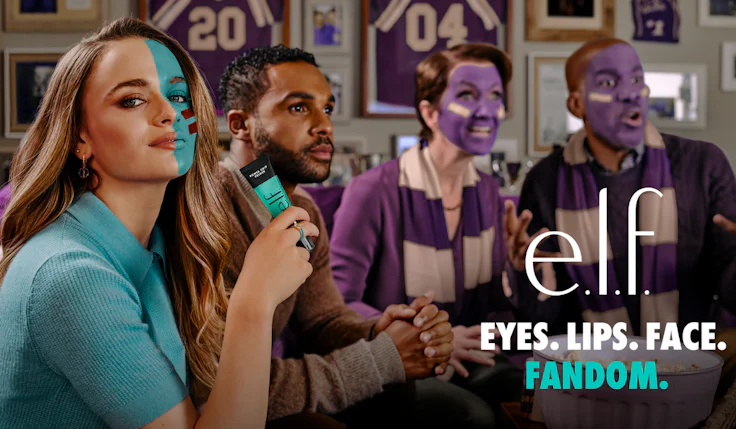
The online beauty retailer utilises multiple behavioural science tricks to boost its appeal to the consumer and get them to part with their cash.

A visit to McDonald’s reveals multiple psychological drivers that encourage us to part with our cash.