Omnicom finalises IPG acquisition with experts calling it the ‘natural outcome’ of a changing agency model
Omnicom has officially finalised its $13.5bn (£10.3bn) acquisition of Interpublic Group (IPG), to make the world’s largest ad holding company, with experts saying it marks the emergence of a “new marketing and agency model”.
Omnicom has officially completed its $13.5bn (£10.3bn) acquisition of Interpublic Group (IPG), nearly a year after first announcing the deal.
Following regulatory approval in Europe, the acquisition creates the world’s largest advertising and marketing holding company by revenue and billings, with combined revenues exceeding $25bn, overtaking Publicis and WPP.
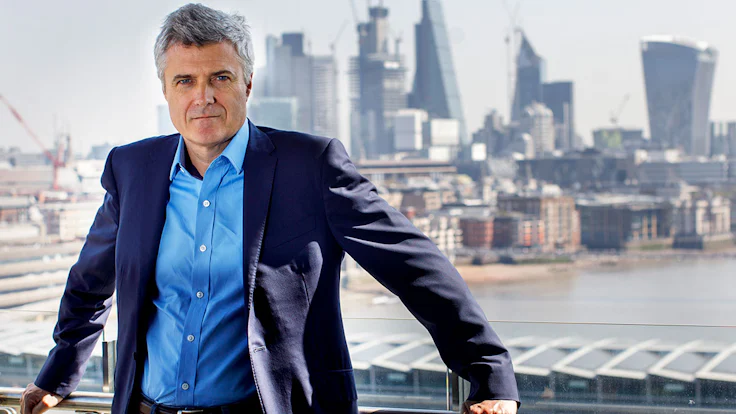
In a statement, Omnicom CEO and chairman John Wren described the acquisition as a “defining moment” for both the company and the wider industry.
“With the completion of the deal, Omnicom is setting a new standard for modern marketing and sales leadership — creating stronger brands, delivering superior business outcomes, and driving sustainable growth,” he said.
Wren will remain in his current duties as chairman and CEO, while former IPG chief Philippe Krakowsky will become co-president and chief operating officer alongside Omnicom’s current president and COO, Daryl Simm. The company said its full leadership team will be confirmed next week.
In August, the UK’s Competition and Markets Authority approved the deal without conditions. In the US, regulators took a more cautious approach, with the Federal Trade Commission in June agreeing to clear the merger on the condition that the agencies do not restrict advertising based on political content.
‘No good news’: How will Omnicom’s IPG acquisition impact brands?
Under the all-stock transaction, Omnicom shareholders own 60.6% of the combined group, while IPG shareholders hold 39.4%. The merged entity will trade under the OMC ticker symbol on the New York Stock Exchange.
Omnicom has forecast $750m (£566m) in cost savings as a result of the acquisition. IPG has cut 3,200 roles since January, while Omnicom reduced its workforce by 3,000 at the end of last year.
What could this mean for brands?
The acquisition comes at a time when big holding companies have come under increased pressure. From moving to more agile ways of working, to consolidation, AI and the rise of independent agencies, there’s been a lot of moving parts to contend with.
As the new Omnicom group takes shape, it will also need to manage potential client conflicts, as it now represents competing brands within the same categories, including AT&T and T-Mobile in telecoms and State Farm and GEICO in insurance in the US.
Oystercatchers managing director Rebecca McKinlay says big holdco structures and solutions suit clients of a global nature, but the recurring theme she hears from brands is a “desire for flexibility, specialist capability and partnership models that are built to suit their own operating models”.
Therefore, the culture of the organisation, and the stability and engagement of the teams that work on client businesses “cannot be over-looked”.
“In a time of change and churn, brands will increasingly look to partners that demonstrate effectiveness, specialist capabilities and true business understanding, in whatever agency structure best suits their own ambitions and operations,” she adds.
‘Cautious but creative’: B2B marketers on how AI is impacting agency relationships
In recent years, Omnicom and IPG have been bullish on ecommerce. Omnicom acquired digital commerce business Flywheel Digital in 2023 for $835m, while IPG took over data firm Acxiom in 2018. Omnicom also has Omni, an integrated planning and audience platform built on the company’s proprietary data and AI capabilities.
Both Wren and Krakowsky agreed during the investor call at the end of last year that the combined power of Axciom and Flywheel will benefit a “broader” client base. Across both teams, they’ll “bring together an incredible group of people throughout the world […] no matter what company they work for.”
Colin Lewis, former brand-side CMO and Marketing Week columnist, says that by merging, Omnicom is “betting on the future of advertising not actually being about advertising”, but instead AI, data, digital commerce and retail media.
“A new marketing and agency model is emerging – and this merger is the natural outcome of this changing model,” he says.