P&G: Brand ‘fundamentals’ are what will drive success in the era of AI
AI could radically alter how brands are chosen by consumers, but P&G’s CFO is confident of the company’s ability to adapt to this new dynamic.

 The “underlying fundamentals” of brand building are what will set brands apart in a future where AI may be driving many consumer choices, says Procter & Gamble’s chief financial officer.
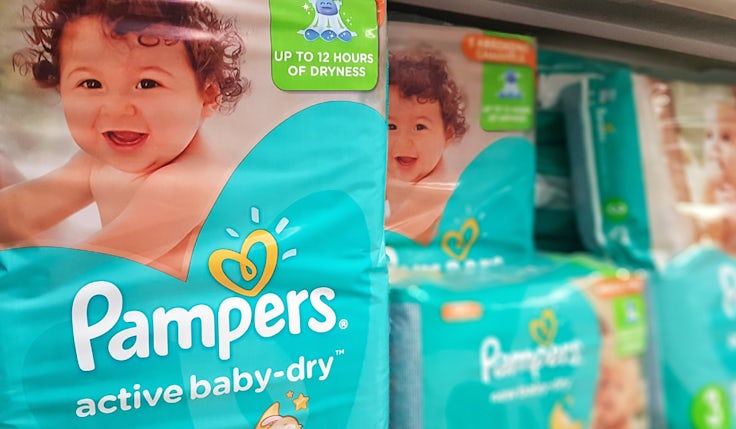
During the company’s quarterly results for the period ended 30 September, CFO Andre Schulten was asked by an investor how the FMCG company, which owns brands including Fairy, Head & Shoulders and Pampers, would drive consumer choice in an era where shopping could be automated by an AI agent.
“It all comes back to the to the underlying fundamentals. Do you understand the consumer?” Schulten said.
Earlier this month, major US retailer Walmart announced a partnership with OpenAI, the business behind ChatGPT, to bring a shopping functionality to the generative AI chat application. Amazon also this week announced the launch of it ‘Help Me Decide’ AI tool, designed to help shoppers make choices between different products.
P&G on using AI to deliver ‘best possible value’ from ad spend
While partnerships and tools like these are still relatively new and nascent, growing AI capabilities could mean some shoppers are not browsing in the same way, instead getting AI agents to do it for them.
For Schulten, it still comes down to P&G communicating what it terms its “superior brand propositions”, working with retail partners to ensure the business understands algorithms in store and how the AI agent looks for information and products.
“I feel we’re well positioned,” he said. “I feel our data infrastructure, our consumer understanding, our collaboration with retail partners, is very good.”Winning hearts, minds and models: Brand building in an AI world
With the advent of new ways of shopping through AI, here is plenty of “opportunity” for P&G, Schulten asserted.
“I do believe it opens up new possibilities for brands to make themselves visible,” he said.
Founded in 1837, P&G has 187 years of experience in adapting to the tides of modernisation. It treats these changes as an “opportunity”, says Schulten.
“We went from candle store to supermarkets to hypermarket to online shopping to social commerce, all an opportunity,” he said. “We went from newspaper ads to radio to TV to internet to social media, all an opportunity.”
Long-term mindset
As well as asserting the importance of the fundamentals when it comes to adapting to technological shifts, Schulten also emphasised the importance of doing the right thing for the long term in tough macroeconomic times.
“The long-term focus on the strength of our brands and categories is the best way to position ourselves for strong growth when the economic climate and consumer confidence improves,” he said. “This starts with a strong innovation plan and healthy investment.”
While value or promotion might be a component to that answer, the real solution here to create sustainable growth is to drive innovation and drive superiority.
Andre Schulten, P&G
The company indicated it would be investing more spend in innovation and “demand creation” as it faces a difficult consumer as well as geopolitical environment.
The company reported a 3% sales increase in the first quarter of its fiscal year 2026, with net sales of $22.4bn. Despite driving increased sales, P&G had flat volumes in its most recent quarter, meaning it did not manage to drive more demand for its products.
Schulten said the current competitive environment was driving more promotional activity in some of its categories.
“While value or promotion might be a component to that answer, the real solution here to create sustainable growth is to drive innovation and drive superiority, communicate that innovation with the right claims [that are] meaningful to the consumer, meaningful to the retailer, get the retailer support online and in physical stores, and thereby create value for the consumer that is attractive,” he said.