Coca-Cola CEO bets on ‘bigger and bolder innovations’ to drive growth
The Coca-Cola Company is banking on product and packaging innovations to help it continue to drive growth against a stagnant economic background.
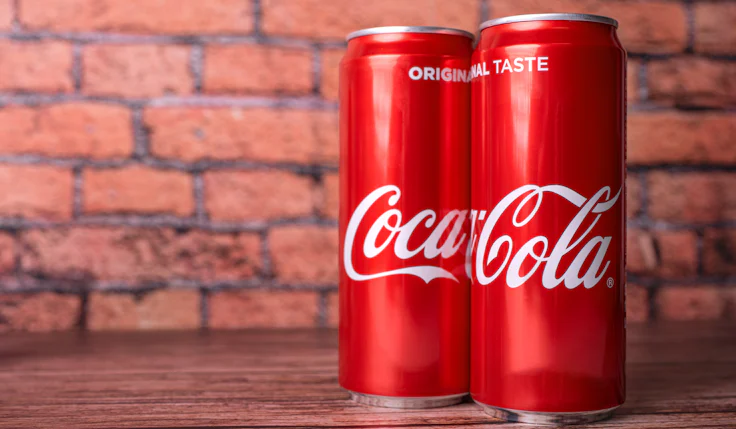 Coca-Cola is prioritising “bigger and bolder innovation” as the soft drinks giant increased marketing spend in the third quarter against a challenging economic backdrop.
CEO James Quincey told investors today (21 October) that the FMCG company found innovation contributed “strongly” to revenue growth in Q3 – and that the business will continue to invest in marketing heading into the final quarter of the year.
“While we’re building capabilities in marketing, we’re also prioritising bigger and bolder innovation, like Sprite + Tea in North America, Bacardi and Coca-Cola in Mexico and Europe, and Powerade Springboks Edition in South Africa,” he said. “During the first three quarters of this year, innovation contributed strongly to revenue growth and we’re continuing to have strong velocities on our innovation.”
This approach to innovation is something the business expects it will need to carry forward into Q4, with Quincey accepting that the economic environment is not “changing that quickly” and Coca-Cola will have to invest to find growth.
“We’re going to have to be on the top of our game. We certainly expect to lean into and invest for growth in the fourth quarter,” Quincey said. “We have a lot of good marketing and innovation programmes coming from Halloween all the way through to Christmas, which we’ll be driving.”
For the third quarter, Quincey singled out Fanta’s recent collaboration with Universal Pictures as being a good example of a marketing execution that brought relevance and drove business to the brand. The campaign – which saw iconic horror characters featured on cans and bottles – brought together “limited time flavours” and “immersive retail and digital experiences” to approximately 50 markets.
“Our marketing transformation is centred on connecting deeply with consumers through digital engagement, personalised experiences and cultural relevance,” he told investors.
Coca-Cola saw global volumes grow by 1% year-on-year over the quarter and net revenues jump by 5% to $12.5bn, with growth in the United Kingdom singled out as a particularly strong market. The business also saw strong returns on its price mix, which grew by 6% primarily driven by “pricing actions in the marketplace” as well as a favourable mix.
Local matters
Quincey mentioned during Coca-Cola’s first quarter results that the business would be seeking to emphasise the “localness” of its brands during an age of heightened geopolitical tension. It was a theme he returned to during the third quarter results, accepting there has been a “big overall shift” to localness in recent years and, in particular, following the pandemic.
But he doesn’t believe it is a move that is necessarily being driven by consumers looking for “greater affordability” in the market, and is as much about brand identity and innovation that Coca-Cola needs to match up to. Quincey committed to “driving more resources” to the frontline so the business can have different responses in different places depending on what the challenge may be.
“We need to get even closer to the consumer using the great strength of our global system and the scale that gives us but also to be able to respond to the different dynamics and the intimacy needed in the different parts of the world,” he told investors.
Coca-Cola CEO: Emphasising ‘localness’ of brands is key during geopolitical tensionThere was also discussion around the role that zero sugar and diet drinks will play in Coca-Cola’s portfolio, especially as more governments crack down on unhealthy food and drink products. Quincey pointed out that diet drinks make up around the “mid-teens” percentage of total soft drink volume and the business wants to drive that number up to grow the category.
“There’s both an opportunity or a possibility that they [diet products] could become a bigger piece of soft drink and actually help to continue to grow the sparkling category around the world,” he said. “You’re seeing both some degree of self-cannibalisation in sparkling but also a way of the sparkling category continuing to grow globally – and particularly in developed markets.”
Diet Coke was singled out for praise as being a product that was in “decline” for many years but recently “stabilised” and this year returned to growth.
“The strategy has always been to do justice for each brand on its own but we have found more responsiveness to investments in marketing and innovation for Diet Coke,” he told investors.