‘Step by step’: Unilever on how it builds effective sports sponsorships
After a bumper summer of sport, Chris Barron, Unilever Personal Care UK&I’s general manager, explains how the business is pursuing “scale” in its partnerships.
 By Molly Innes
 The last decade has seen a marked shift in how Unilever approaches sports sponsorship, explains Chris Barron, general manager for Personal Care UK & Ireland at the FMCG giant.
Unilever, which counts Dove and Sure among its most popular brands, has been an England Rugby partner since 2013, increasing its investment over time, and has worked with Manchester City and Chelsea FC since 2018 and 2017, respectively.
“At the heart of it,” says Barron on what he wants from partnerships, “we are looking for scale.” This means targeting the biggest events and communities to leverage growth.
One example is the London Marathon, where bath and shower brand Radox is a sponsor, a relationship that has helped Unilever “tell relevant stories” linked to the sport through the lens of its product.
“We’ve got obvious storytelling,” he adds, noting that not all brands can lean on an association to sports to drive relevance.
Be a part of change
Sport is in a moment of significant “cultural change” and how brands interact with it is evolving.
Unilever was an early partner of The Hundred – the cricket competition founded in 2020 – and Barron notes the significance of balancing investment in established competitions with the potential that comes with supporting early-stage tournaments.
“There’s a long-term journey in terms of sports partnerships that we’ve been on,” he says. “My experience has been ‘go a little bit step by step’ over quite a long period.”
Brands are under pressure to prove ROI on their partnerships, and going all-in at the beginning isn’t the approach Unilever took, preferring to prove effectiveness before increasing spend. Unilever acquires Dr Squatch citing strength of ‘viral social-first’ marketing
In the “last couple of years”, though, the business has taken it to “another level”, says Barron, in working with FIFA and UEFA, for example. The business has moved into a sports sponsorship phase where it is “enabling multiple brands across multiple geographies to enter this moment of culture”.
Key to the changing culture around sports is, of course, the rise of women’s sport. Reflecting on an “amazing summer”, Barron highlights the deals with UEFA and World Rugby – who ran the recent Women’s Euros and Rugby World Cup – ahead of the tournaments.
“It’s been, looking back, just a really amazing summer for women’s sport and what brands can do with it, and I really feel that we’ve been part of leading that.” Unilever’s personal care CMO on upskilling marketing for ‘social-first’ future
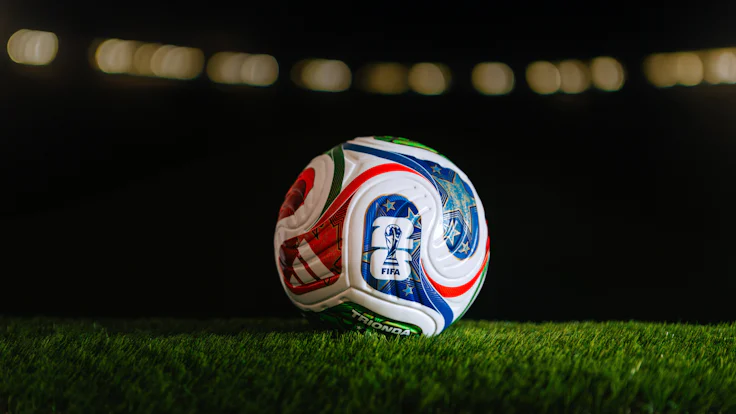
Joining up its many brands across the globe to tap into culture will be a “massive part” of its approach to the 2026 FIFA Men’s World Cup, though Barron can’t reveal the exact plans yet.
Undoubtedly, however, it will be an exercise in the business bringing to life its social media-first marketing strategy. Unilever shared its plan to adopt a social-first approach earlier this year, allocating 50% of its advertising spend into social channels.
“There is both that longer term journey, and there’s also in the shorter term, where I think Unilever has done a very good job, about the move to thinking about marketing with desire at scale,” says Barron. “And having this encompassing thought of how we’re thinking about marketing and enabling that through culture, but also through social-first demand generation.”
Connecting brand touchpoints
Female athletes are pushing ahead with social media engagement compared with their male peers. More than a third (35%) of total social media engagements across the WSL came from player accounts in 2024, compared with the 27% engagement rate seen in the Premier League.
Working with female athletes, like Lucy Bronze who partnered with Sure earlier this year, offers a “fantastic opportunity to engage” fans on “very long-lasting brand points”.
Barron recently spent the morning at a school in south-west London with the Dove team delivering a ‘Dove Day’ as part of its long-running ‘Self Esteem’ programme.
“We really understand the insight that 50% of women and young girls are giving up sport before they want to, or need to, because of body confidence or self-esteem,” he says. “That’s something we really want to address.” Consumers ‘more likely’ to buy from brands sponsoring women’s sport than men’s
Women’s sport is a “huge growth area”, believes Barron, however, brands should pay attention to what they “do with it” and how they connect it to their brand purpose. For Unilever, it tied in “really well” for its brands, with “more to come”, he notes.
“The more you see the opportunity to partner with sports organisations who want to talk about their grassroots programmes and make opportunities for children and young people to play sports,” says Barron, the more likely it is a brand will “get really magic touch points”.
In terms of engaging at the grassroots level, it’s something he “couldn’t overstate the importance” of.
“You’ve got to have the scale, but you’ve also got to have the grassroots. It’s really important. And we put a lot of time and thought and effort into it,” he says.
For any marketer considering sports sponsorship, Barron encourages them to look at the “overall picture of ROI” because sports is going to take your brand in “multiple directions” and give you the opportunity to expand your messaging in “quite a few different areas”.
“I encourage people to have an open mind about where is this taking my brand and what’s the overall return that I’m getting for this.”
He’s also a proponent of starting as early as possible and engaging teams across the process. “You’ve got to buy in wholesale or not at all. I’d certainly say the earlier you start, the more thought you put into it, is critical.”